
The Thread That Connects Me to Japan
Written by Angie Wilton
11th March 2026
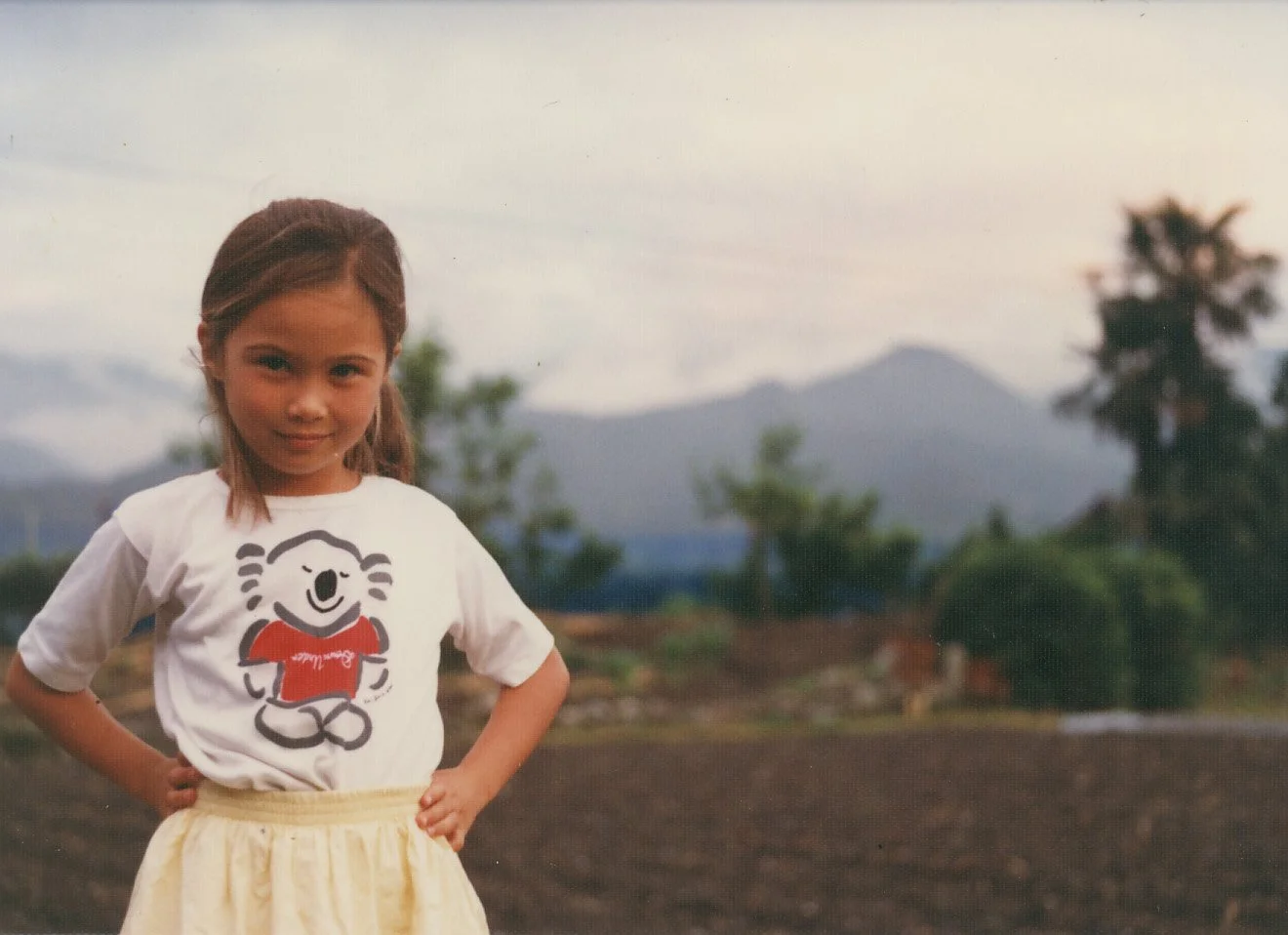
Growing up between Australia and Japan.
I was born in Kamakura, Japan, in 1980. I often recall the story of how I was born in a midwife’s house near the beach. In my mind, I picture a quaint cottage right on the edge of the shoreline, the sound of waves gently lapping the sand while my mother laboured away in this tranquil setting.
The reality, I later discovered, was quite different. Many years afterwards my mother told me it had actually been a very difficult labour. She would joke about how this Australian baby was far too big for her petite Japanese frame. It was something I only truly came to understand after having children of my own.
My parents chose to have me registered as an Australian citizen from birth, so from my earliest days I was already straddling two cultures.
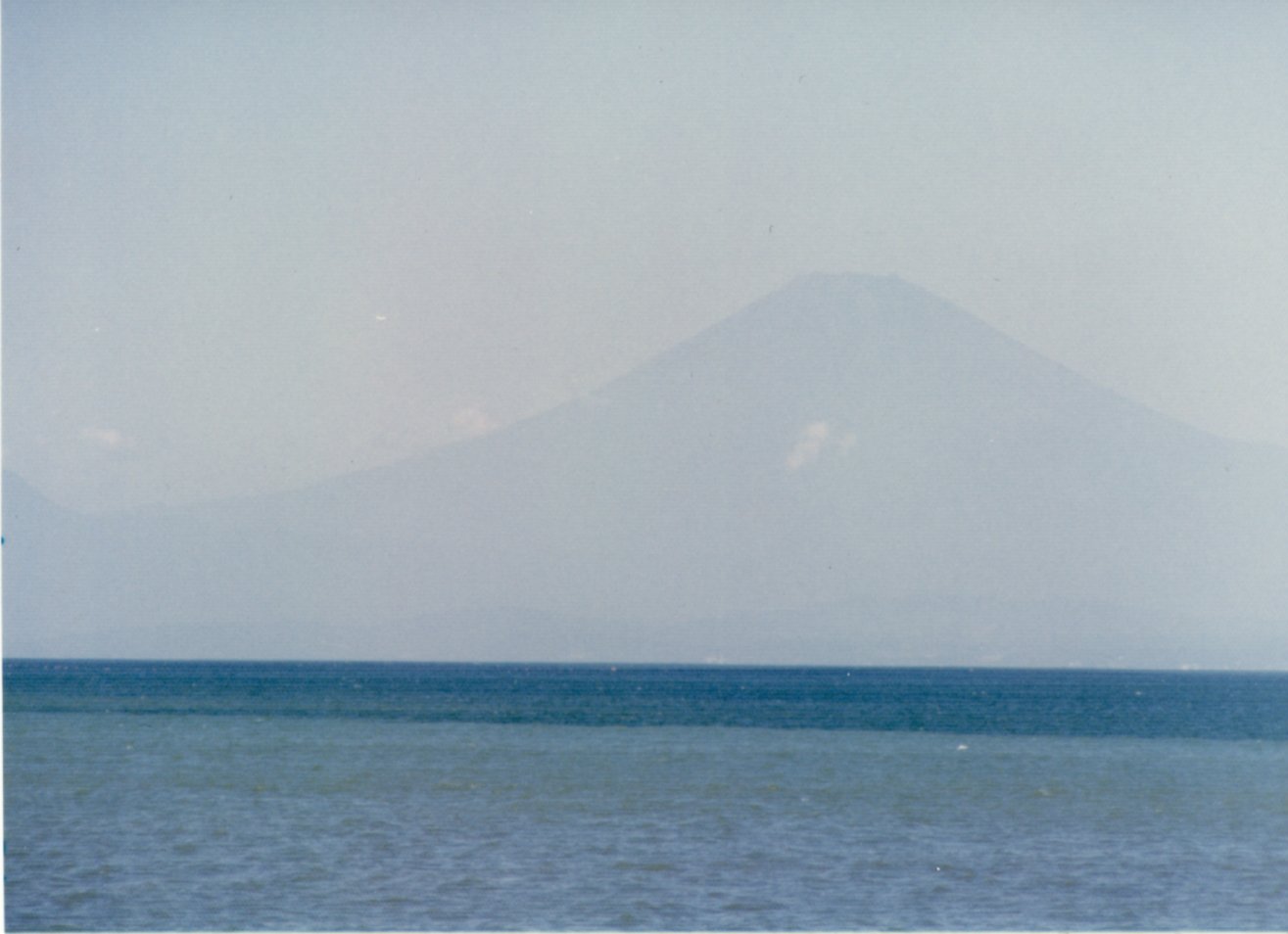
The coastline near Kamakura, where I was born. 1980
We moved back to Australia when I was one year old, and I spent my formative years growing up in Melbourne. When I was six, my mother’s university studies took us back to Japan for a year. At the time we were living in a small apartment in inner-city Melbourne, and I had dreamt about what it might be like to live somewhere with space, somewhere closer to nature.
Living in rural Japan gave me exactly that opportunity.
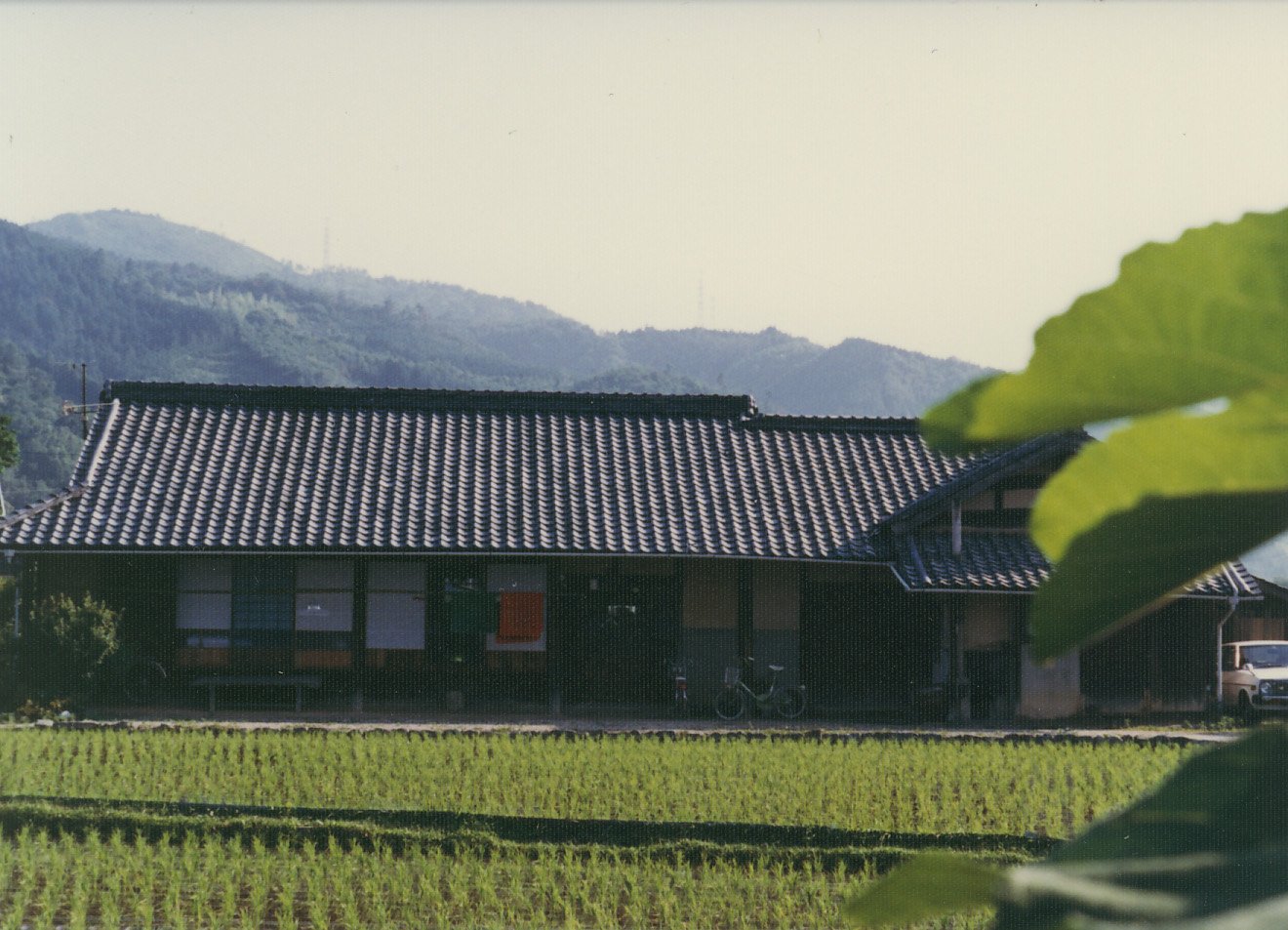
Our house in Rural Japan during the year we lived there. 1987
We lived in a run-down traditional Japanese house that my father renovated just enough to make comfortable for us. Surrounded by rice fields, I remember the sound of frogs echoing through the night. Our toilet was a very basic drop loo (essentially just a hole in the ground), and I remember being completely terrified of going in there after dark. Instead, my parents would sometimes take me to the edge of the rice fields, and I distinctly remember worrying that I might accidentally wee on the frogs.
My memories of that year are filled with joy and laughter. There was wonderful food, kind friends, and endless freedom to explore. I spent days playing soccer with neighbours in the harvested rice fields, or riding my bike to the foothills of the mountains behind our house to visit a school friend.
My school days were filled with excitement for a new language and cultural experience that somehow felt deeply tied to who I was. I was the only foreigner in a school full of Japanese students, but I was met with such kindness that I was instantly made to feel welcome.
We attended local festivals where I was first introduced to Japan’s vibrant festival food culture. Even now my mouth waters at the thought of sizzling hot takoyaki, or the soft, sweet melt of kakigōri on a summer evening. My father taught yoga and English lessons in the community, and I still remember one class where I helped him show the students how to make gingerbread men.
Because I had grown up hearing Japanese at home, I already had an ear for the language. My parents later told me that within my first month in Japan I had switched from speaking English to Japanese. I don’t remember struggling with the language at all.
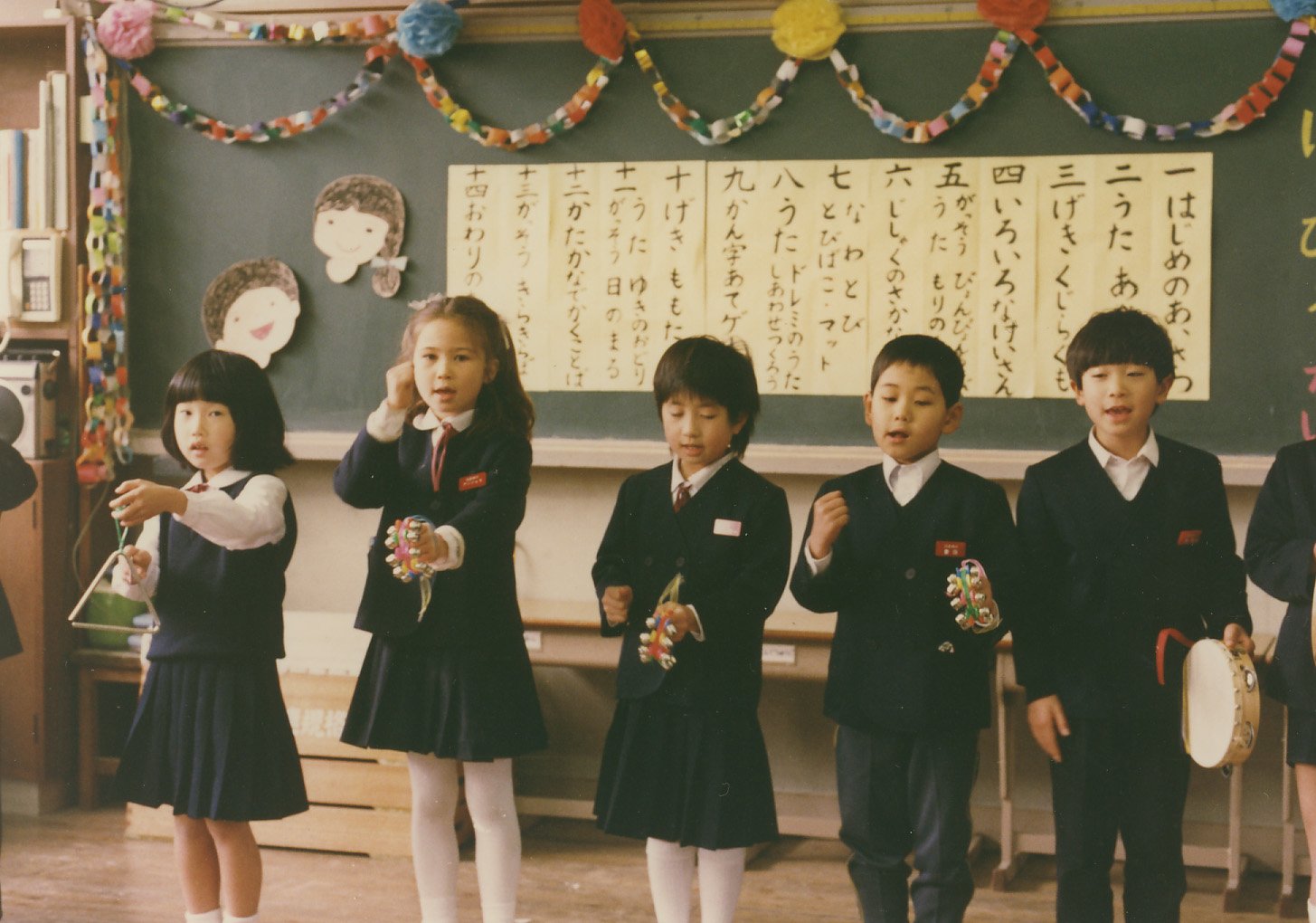
School life in rural Japan
When we eventually returned to Melbourne, my connection to Japan continued. I attended Japanese school every Saturday to maintain the language. As I grew older, this became increasingly difficult, but my parents remained committed to ensuring I continued my studies.
I went on to complete Japanese language studies through my VCE Year 12 and later worked as a Japanese interpreter on the Great Barrier Reef while studying for a Bachelor of Applied Science in Ecotourism.
As an adult, I have often felt that a part of me is missing. Each time I return to Japan, something shifts. I feel complete. I feel whole. I feel more at ease within myself.
I remember watching a documentary on ABC where journalist Kumi Taguchi returned to Japan to explore her father’s heritage. She described experiencing a similar sense of connection. It made me wonder whether this feeling is something many people raised between cultures experience, and how each person learns to navigate that space.
For me, the desire to reconnect with Japan became a quiet thread running through my life. Over time it began to shape the work I created around me, work that allowed me to build bridges between cultures and experiences.
I also began to wonder about something else.
Was the sense of calm and connection I felt in Japan something unique to my own history, or might other travellers feel it too? And if so, what was it about Japan that allowed people to connect so deeply with the place?
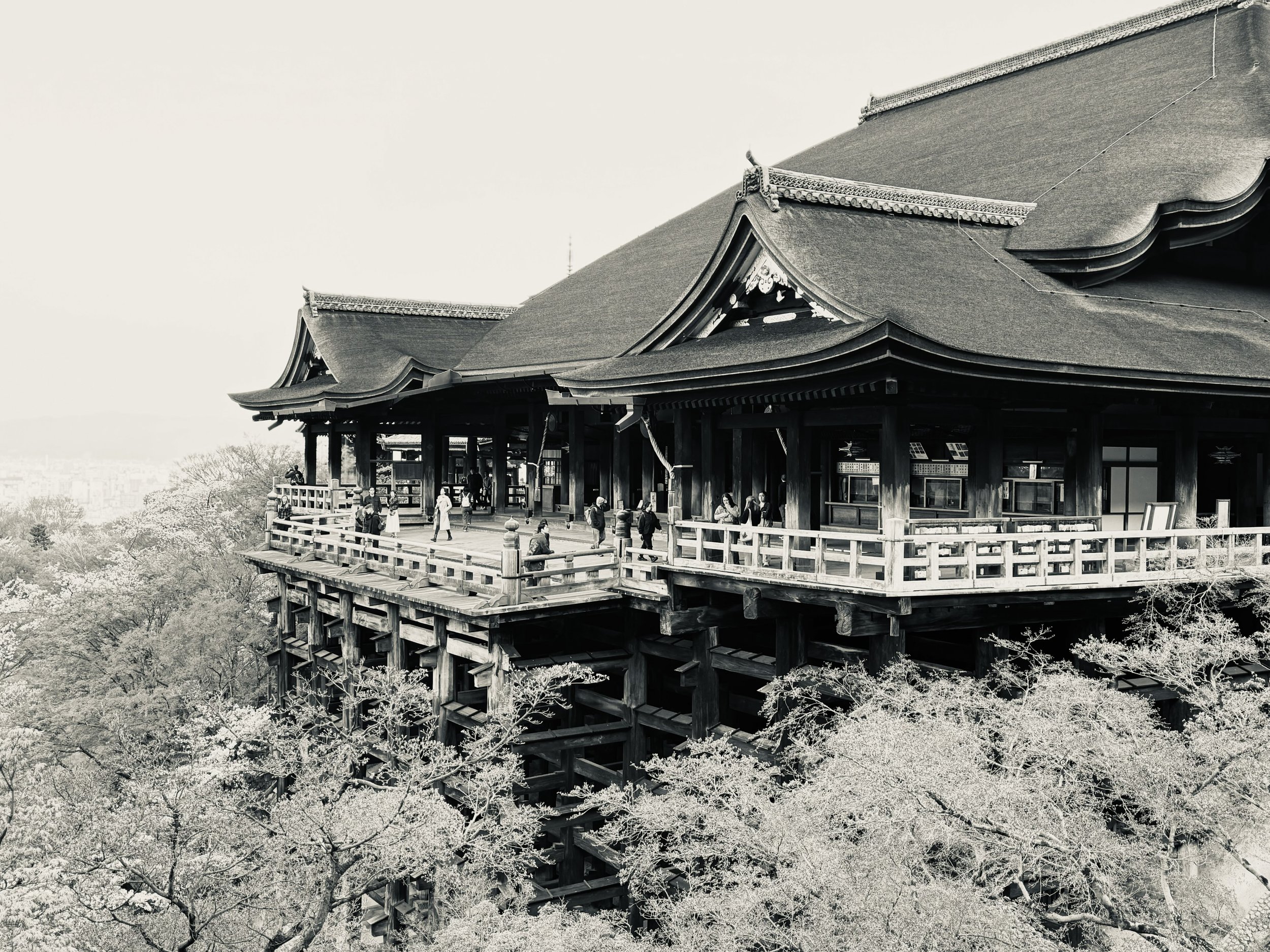
Kiyomizu-dera, Kyoto
Through Japan Art Tours, a travel business I help run with my parents, and through our inaugural Draw Closer journey, I began to see the answer unfold. I watched guests experience the same quiet sense of ease and reflection that I had always felt there.
It made me realise that Japan has a remarkable ability to connect people to something deeper, even when they have no personal history with the country.
I believe this comes from Japan’s profound respect for nature, for cultural heritage, and for the relationships people hold with one another. These values run quietly through everyday life, and for many visitors they resonate deeply.
Over the years, this quiet thread has continued to guide me back to Japan again and again. It has shaped the way I travel, the way I observe, and the way I share this country with others.
Draw Closer to Japan had grown naturally from this connection. An invitation for others to experience the same sense of presence, curiosity, and quiet discovery that has always drawn me back.
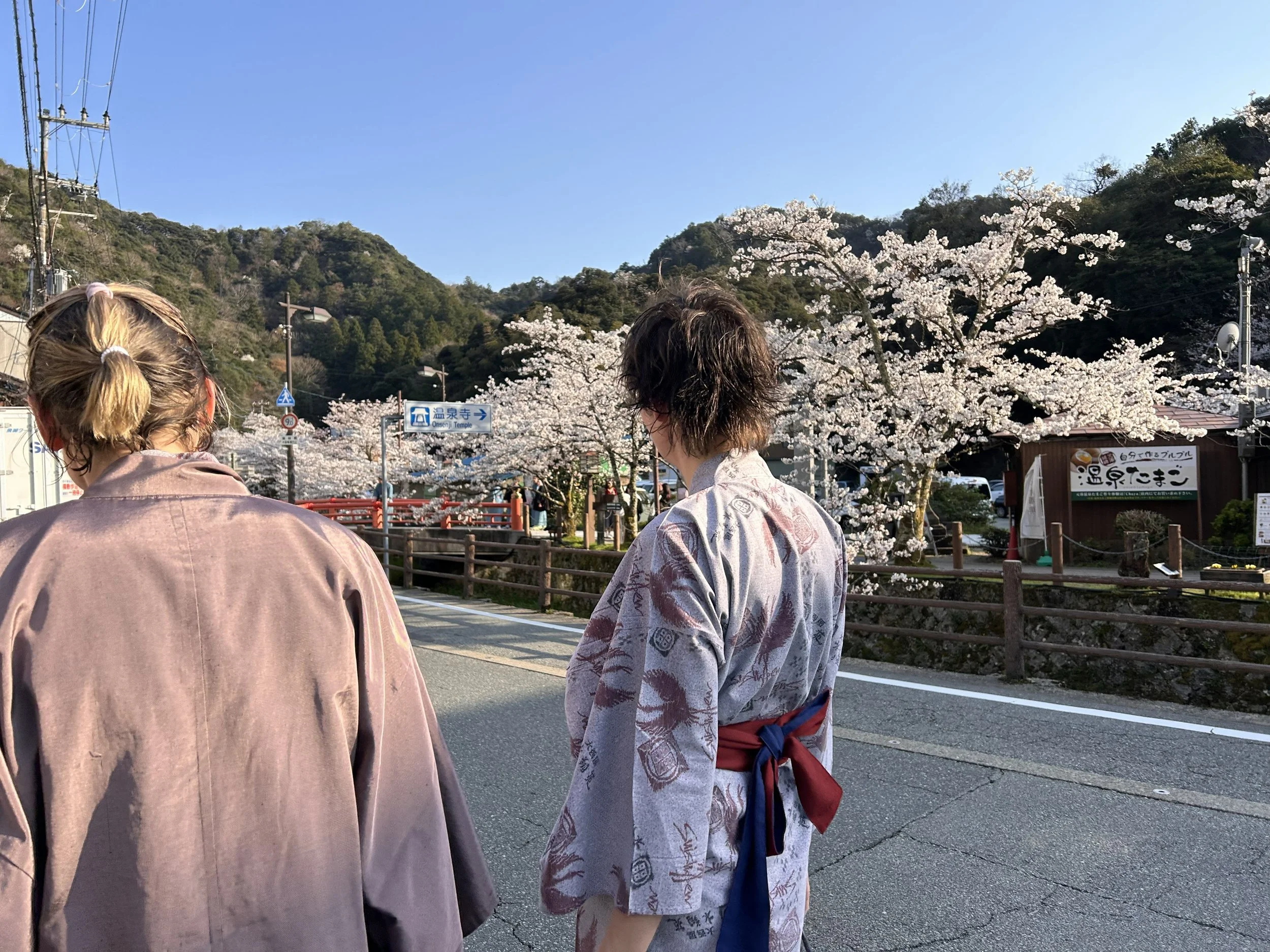
An invitation to connect